Worried about termites in Toronto? You'll receive quick, subtle inspection of mud tubes, hollow wood, frass, and swarm wings, with thorough assessments of moisture levels and access points tailored to local climate patterns and garden setups. We conduct structured inspections, documented evidence with photos, and specialized solutions complying with municipal regulations. We implement family-friendly treatment methods, contained drilling processes, and plain vehicles for minimal visibility. We provide ongoing surveillance, gap management, and dampness prevention to minimize risks and maintain compliance - learn how we protect your property now.
Core Concepts
- Thorough termite assessments of foundations, crawlspaces, utility penetrations, and moisture-prone areas, featuring documented photos and detailed property layouts.
- Our treatment approach features professional applications including underground bait stations, focused termiticide applications to affected areas, and careful wood remediation as specified by Canadian regulatory requirements.
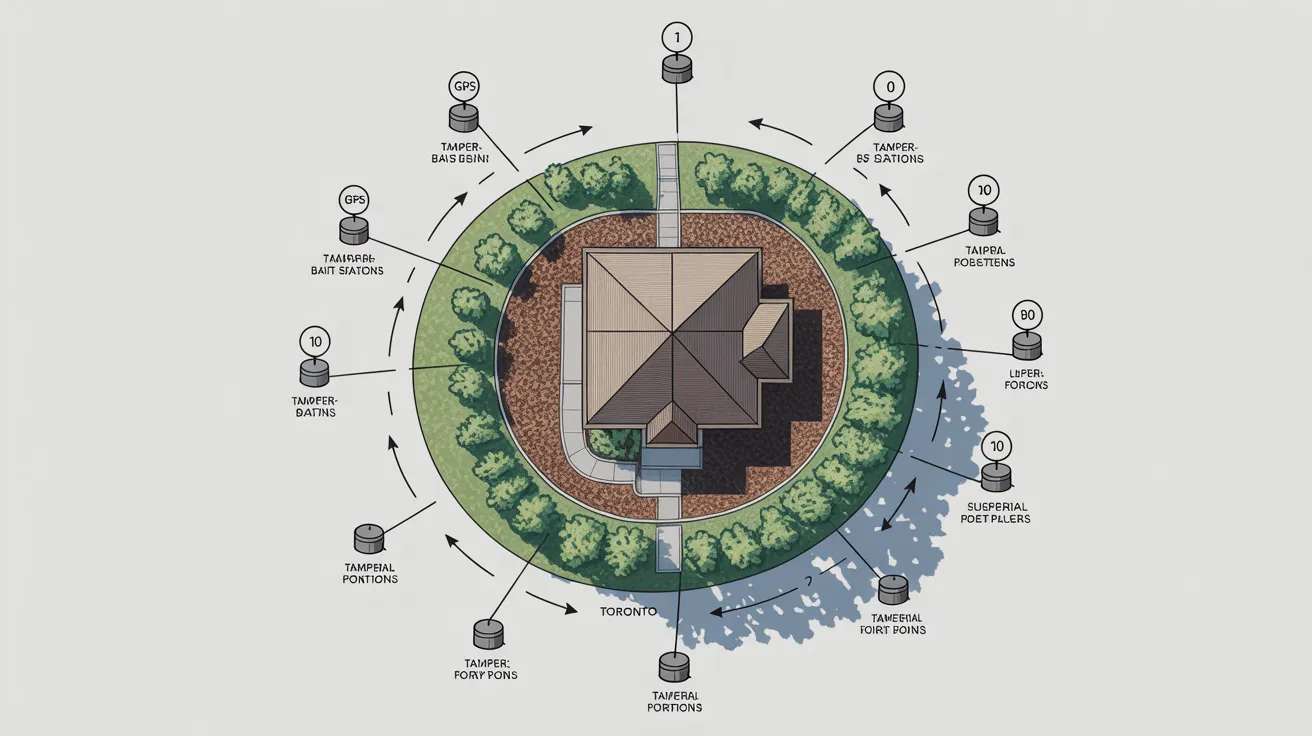
- Preventive maintenance and inspection protocols: seal all visible cracks, keep 6-8 inches soil-to-wood clearance, manage moisture levels, and set up periodic seasonal checks with GPS-designated control stations.
- Discreet and secure solutions for residential and commercial properties: featuring unmarked vehicles, after-hours visits, safe placement for homes with children and pets, HEPA-contained drilling, and compliance with municipal bylaws.
- Detailed records furnished including chain-of-custody documentation, product labels/SDS, lot numbers, exposure control measures, as well as timeline specifications and preventive sealing guidelines.
Identifying Termite Activity in Toronto Properties
Even though termites tend to hide, you may notice early indicators prior to serious structural damage. Watch for narrow mud tubes running along foundations, joists, and sill plates. Test suspicious wood with a screwdriver; it could be hollow-sounding or soft. Discovering discarded, equal-sized wings around window sills or light fixtures indicates a recent swarm. Watch for tiny frass holes or slight bubbling in drywall or subfloors.
Outside, look for muddy footprints or soil marks at entry areas, especially where grade meets wall siding. Within basement and crawl space areas, verify air circulation and monitor relative humidity. If moisture meters are installed, document measurements above 20%, which may indicate conducive conditions and concealed tunnels.
For protection, do not disturb affected zones. Photograph evidence, mark the areas, and reach out to a certified pest control specialist for an assessment that follows Ontario regulations.
Understanding How Local Conditions Affect Pest Problems
Toronto's fluctuating temperatures, combined with saturated soils, older buildings, and compact city greenery generate optimal circumstances for insect pest challenges. Your property faces increased threats since recurring freeze-thaw patterns damage building foundations, allowing below-grade pest entry. Saturated clay soils sustain soil moisture that enables termite colonization and hastens timber decomposition. City heat retention elevate ground temperatures, prolonging pest active periods and shortening overwintering periods.
Older structures and dated utilities provide channels through compromised sill plates, faulty plumbing, and dry-stacked stone foundations that form hidden areas where moisture meets organic materials. Thick mulch beds against building exteriors maintain moisture at ground-level wood contacts. Storms overload water management, driving unwanted creatures toward structures. In accordance with Ontario building and health regulations, focus on moisture management, entry point protection, and proper vegetation spacing to address these site-specific challenges.
Our Complete Inspection and Treatment Methodology
Toronto's distinct circumstances demand an organized strategy, therefore our team adheres to an integrated inspection and treatment protocol that aligns with Ontario Building Code and public health guidelines. First, we conduct a detailed evaluation of: exterior foundation, sill plates, utility penetrations, crawlspaces, and moisture-prone zones. We catalog structural wood issues, current pest presence, conducive conditions, and access locations, then map findings to a location diagram.
We provide you with a risk-ranked action report with product labels and Safety Data Sheets. When conditions permit, we deploy strategic bait stations at regulated spacing, using tamper-resistant stations and monitoring cartridges. For live infestations, we utilize specific pest control solutions to voids and soil contact points, following label rates and setback requirements. We control ventilation, contain dust, and secure people, animals, and plants while preserving comprehensive records and visual documentation.
Year-Round Monitoring and Prevention Strategies
Since termite activity in Toronto fluctuates with humidity levels and soil temperatures, it's essential to have a protection plan that pairs structural hardening with year-round inspection under Ontario and federal pesticide guidelines. Begin by fixing slab fissures, utility entries, and sill plates; keep 6-8 inches of clearance between soil and wood. Pair these steps with moisture management: address plumbing leaks, point downspouts 2-3 meters from the foundation, and maintain crawlspace humidity under 60% with vapor barriers.
Arrange seasonal inspections keyed to annual weather transitions. Install soil monitoring units according to specified distances and record GPS locations for reliable data. Document threshold measurements, bait consumption, and environmental factors. Align interventions to IPM principles, emphasizing least-risk options and thorough recordkeeping to comply with Ontario PMRA and WHMIS requirements.
Secure and Private Solutions for Homes and Businesses
Often, you require termite control that protects people, pets, and business operations without drawing attention. We design unobtrusive protocols that comply with Ontario and federal pest control regulations, emphasize occupant safety, and preserve business continuity. You get confidential inspections, private consultations, and flexible timing options to limit business impact.
We implement precise baiting systems, HEPA-filtered drilling, and focused wood treatments confirmed with product labels and Safety Data Sheets. Our child safe treatments and pet-friendly placement follow re-entry intervals and ventilation requirements. Technicians use discrete service vehicles and secure waste handling as per city ordinances.
We meticulously document each phase: site risk evaluation, product identification codes, and safety control protocols. We provide clear documentation, treatment deadlines, and barrier treatment suggestions-ensuring quiet, compliant, and successful termite elimination without broadcasting the activity.
Frequently Asked Questions
What Effect Do Termite Treatments Have on Home Resale Value and Disclosure Requirements?
Professional termite treatments with proper documentation can safeguard property value, but prior infestations can influence property value and necessitate disclosure. You must report known damage, historical activity, and repairs; purchasers commonly seek permits, treatment history, warranty details, and clearance verification. Employ licensed specialists, comply with safety standards, and preserve thorough records of applications, timing, and inspection results. Pre-listing assessments and transferable warranty coverage can decrease uncertainty, satisfy lending conditions, and simplify appraisal processes and negotiations.
Will Your Toronto Home Insurance Policy Cover Termite Damage?
Regular home insurance coverage in Toronto usually doesn't include termite damage. Insurers consider this a maintenance issue, which falls under standard policy exclusions. You should thoroughly examine your policy terms and conditions, as insurers rarely provide coverage for slow-developing vermin damage. Keep thorough maintenance logs and schedule regular inspections to demonstrate proper care. In rare cases, you might be covered when an infestation results in unexpected collapse, these situations are exceptional. Contact your insurance broker and follow Ontario's regulatory disclosure requirements.
What Required Certifications Should a Toronto Termite Inspector Possess?
A professional termite control company in Toronto must hold a valid Ontario pesticide operator licence and work with certified applicators operating under IPM standards, and use licensed inspectors qualified for the Structural Pest Management scope. You should check the company's WSIB coverage, liability insurance, and WHMIS/GHS training. Verify that the technicians maintain current MOECP certifications and strictly follow label, drift, and notification rules. Ask for written inspection reports, treatment records, and safety data sheets. Verify their adherence to municipal bylaws and waste-disposal requirements.
Can You Coordinate With Property Management and Condo Boards?
Absolutely, we collaborate with building management and condo boards like it's mission control for a moon landing. You'll receive streamlined Board Coordination, detailed scopes, and compliant communications. We take care of entry coordination, access credentials and tenant communications to meet bylaws and fire code requirements. We verify WSIB/COI, maintain IPM protocols, and handle safety signage. You'll receive service logs, Material Safety Data Sheets, and post-treatment reports to ensure compliance and safety for all parties.
Are Payment Plans or Financing Available for Major Termite Treatment?
Yes. We provide flexible payment options for large-scale termite services, subject to credit approval and contract conditions. We'll present staged payments aligned to inspection, treatment, and monitoring milestones, with adjustable rates based on project scale and property dimensions. All costs are transparent, follow provincial consumer protection rules, and maintain strict safety standards. You'll receive itemized estimates, warranties, and MSDS/label documentation, and payment options here include ACH, credit card, or certified cheque.
Final Thoughts
You've observed the warning signs-mud tracks like small roadways, hollow-sounding timber, frass scattered like pepper. Don't wait for the silent destroyers to hollow out your valuable asset. With Toronto's fluctuating moisture levels and older structures, you need an comprehensive plan that evaluates, remedies, and oversees throughout the year. We adhere to label instructions, integrated pest management standards, and municipal guidelines to safeguard residents, animals, and buildings. Opt for unobtrusive, scientifically-backed termite protection that seals entry points and keeps watch like a protector at your property's base.